Olympic preparation · London 2012
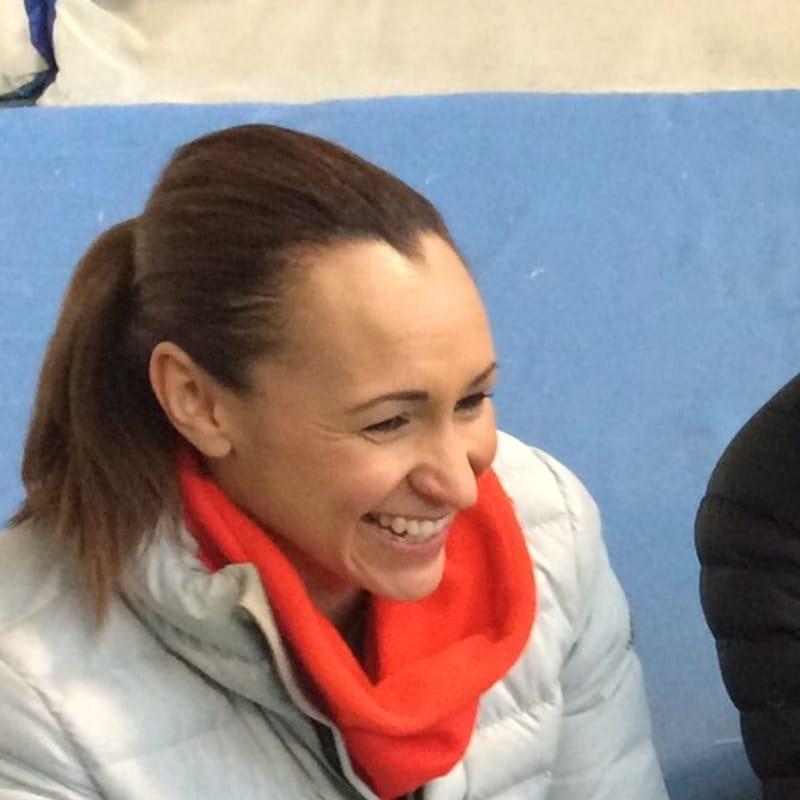
Dame Jessica Ennis-Hill
How I helped a champion peak: a performance coaching case study
Improving a heptathlete's weakest event without adding training load. How 'the eighth event' became the foundation for Olympic gold.
01 · Situation
Improve an elite heptathlete's 800m, her weakest event, without increasing total training load, and without compromising the technical, explosive or recovery capacity she needed across the other six events.
02 · Approach
We started with a comprehensive assessment. The athlete was completing roughly ten warm-ups a week, over an hour of low-intensity jogging that wasn't earning her anything physiological.
Rather than add volume, we repurposed what was already there. Warm-ups were lifted to a slightly elevated aerobic threshold while staying recoverable and safe. We then designed protocols for the gaps between competition events: nutrition, hydration, movement and mindset. All implemented in realistic conditions.
We called it the eighth event.
03 · Outcome
The 800m improved by four seconds. A 62-point swing in heptathlon scoring. The difference between podium and elimination.
That groundwork contributed directly to Olympic gold at London 2012.
The best solutions often hide in routines we overlook. Performance and recovery aren't opposites. They're partners.
Working on something like this? Let's talk.
Start an enquiryMore case studies
Executive coaching · year-end peak
Eric, CEO of a European multinational
Performing at the peak of a fiscal year, without burning out at the end of it.
Oxford–Cambridge Boat Race · age 46
James Cracknell
What it takes to be the oldest Boat Race competitor in 173 years.
Executive coaching · midlife strength
Sarah, CFO at a global financial services firm
Rebuilding strength, composition and confidence in midlife.