About
Performance science, built from the inside.
Thirty years in the British Olympic system. Six Games. Two hundred World and Olympic medallists. I now bring that body of work to senior leaders and the teams they run.
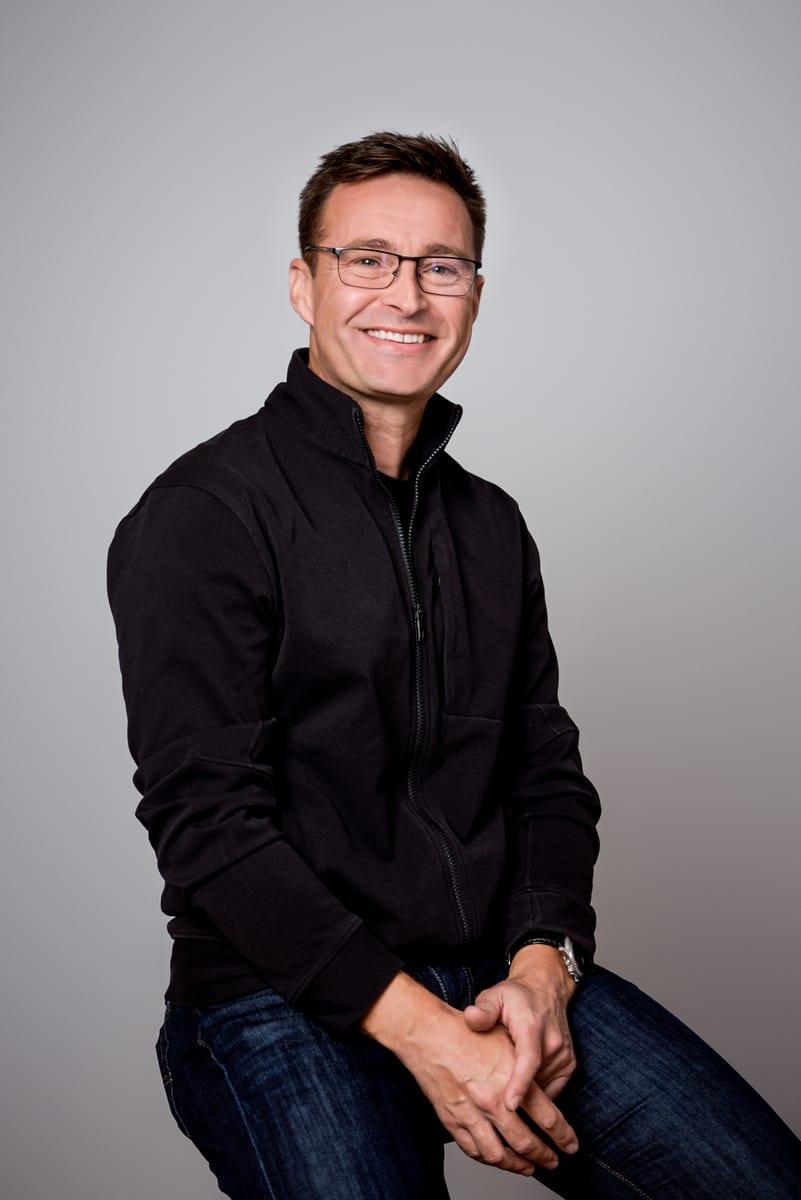
I started inside the British Olympic Association as a sport physiologist working directly with athletes. Sir Steve Redgrave's fifth gold. The “Will it make the boat go faster?” Sydney 8+. Kelly Sotherton at Athens. Jessica Ennis-Hill's London 2012.
By the time of Rio I was Director of Science & Technical Development at the English Institute of Sport, leading two hundred and fifty scientists across forty-plus Olympic and Paralympic sports. I left in 2016 to take the work somewhere new, into leadership and the senior teams that run organisations.
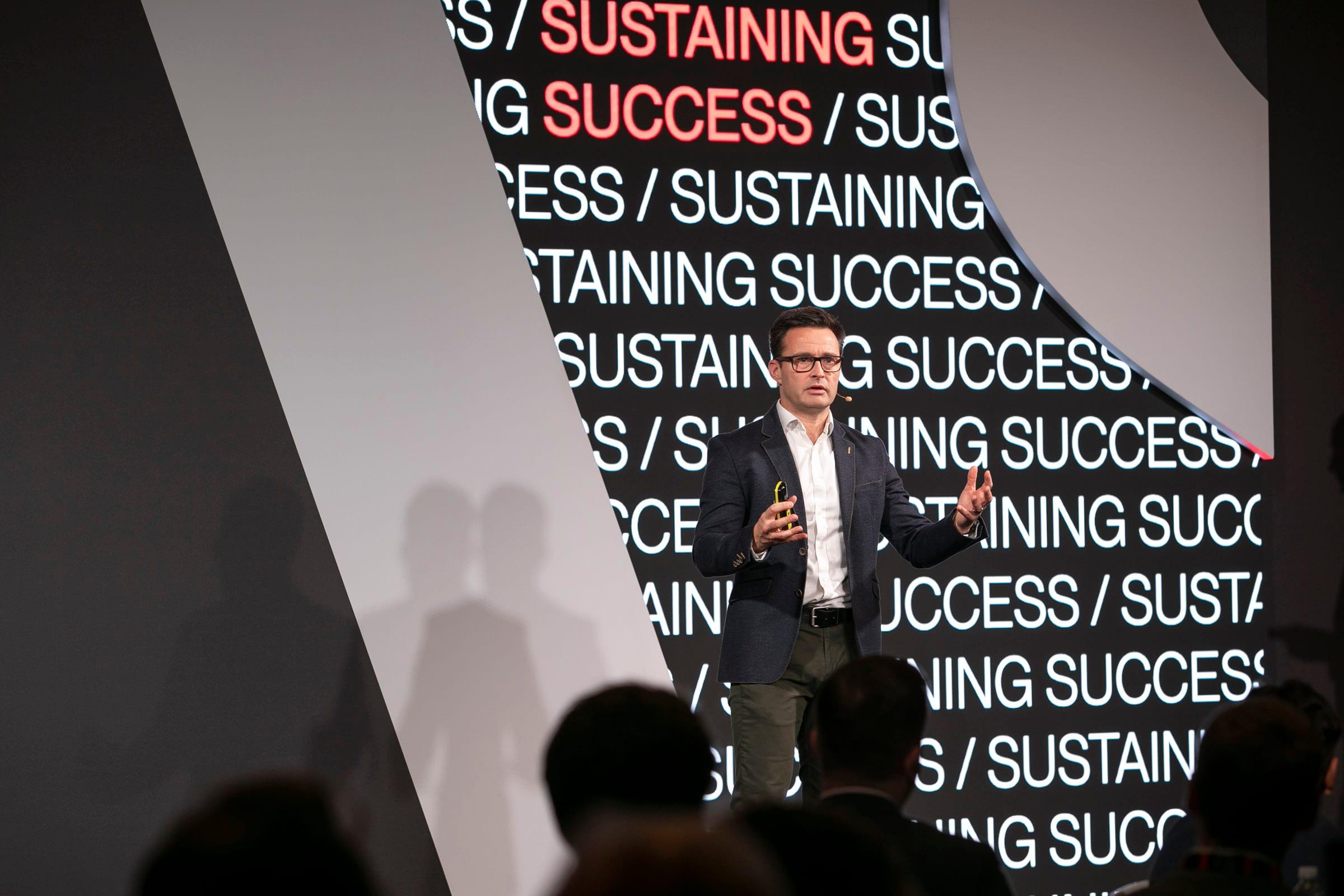
Today I keynote, coach and advise. I work with executive teams at Google, McLaren, Bayer, Schneider Electric and others. I teach at Warwick Business School and Saïd Business School (Oxford). I co-founded Supporting Champions with my wife Rachel.
I wrote How to Support a Champion, which became a bestseller. What Persists is coming next.
The work, in five lines
Behind some of the names you know.
Scientist behind Sir Steve Redgrave's 5th Olympic gold medal.
Scientist behind the legendary “Will it make the boat go faster?” Men's 8+ crew.
Scientist behind Jessica Ennis-Hill's career, junior to Olympic gold to World Champion after a baby.
Running coach to Kelly Sotherton's double Olympic medal performance.
Scientist behind footballer David Brooks' return to the Premier League after Hodgkin's lymphoma.
Career
Thirty years in seventeen milestones.
1996
One of only 10 full-time sports scientists in the UK.
1998
Joined the British Olympic Association, assigned to British Rowing.
2000
Sydney Olympics. The whole system takes a deep breath in. Supports the legendary coxless four to gold.
2001
“Double Double”: Pinsent and Cracknell win two world golds in two hours.
2002
Sports Science Manager at BOA. Leads Athens science prep: heat acclimation, Powerade Pro.
2004
Athens Olympics. In a bittersweet moment Kelly Sotherton breaks three running PBs and finishes fourth. The medal would come later. Meets Jess Ennis just after. Joins the English Institute of Sport.
2008
Coaches Kelly Sotherton's running for Beijing: fastest 4×400m leg of the field, retrospectively upgraded to bronze a decade later after doping bans.
2009
Head of Physiology at the EIS. The runway to London 2012 begins.
2010
BASES Applied Practitioner Award.
2012
Team Ennis. Leads her physiology programme through to Super Saturday.
2013
Director of Science and Technical Development, EIS. Leads 250 performance staff across forty-plus Olympic and Paralympic sports.
2014
BASES Fellowship.
2016
Publishes How to Support a Champion.
2017
Co-founds Supporting Champions with Rachel Ingham.
2019
David Brooks recovery project: back to Premier League after Hodgkin's lymphoma.
2019
James Cracknell at the Oxford–Cambridge Boat Race: oldest man ever to compete. They win.
2024
Advises the French system for Paris 2024.
The podcast
169 conversations on what makes the difference.
Five years of Supporting Champions: Olympic champions, fighter pilots, neuroscientists, surgeons, coaches, West End performers. The same question every time: what have you learned? The answers kept arriving at the same places. What Persists is the book of those conversations.
Credentials
Qualifications & affiliations.
- PhD: Oxygen uptake kinetics in 2000m rowing
- Fellow, British Association of Sport & Exercise Sciences
- BASES Applied Practitioner Award (2010)
- BASES Fellowship (2014)
- Visiting Faculty, Warwick Business School
- Visiting Faculty, Saïd Business School (Oxford)